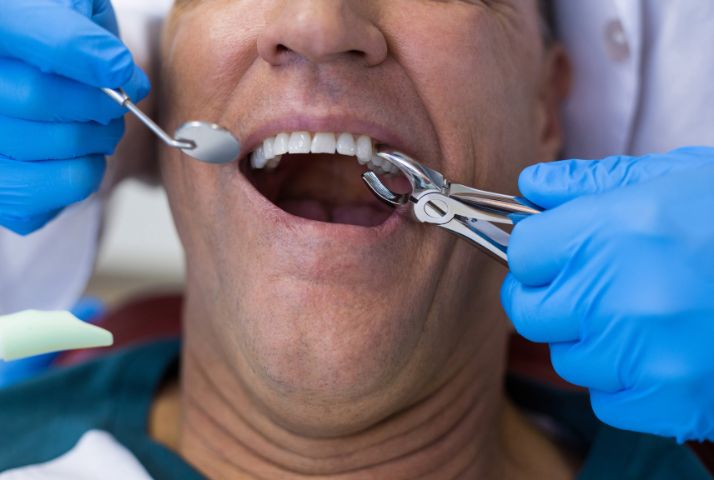


While dental extractions are often the last resort, they sometimes become a necessary step to maintain overall oral health. However, the impact of a tooth extraction extends beyond the removed tooth itself. It’s crucial to understand how this procedure can affect the surrounding teeth and how to minimize potential complications.
Why Extractions Happen?
A dentist in Cottleville may recommend a tooth extraction for various reasons, including:
- Severe tooth decay or damage: When a tooth is extensively decayed, fractured, or severely compromised, saving it may not be feasible. Extraction becomes necessary to prevent further complications like infection or pain.
- Impacted wisdom teeth: Wisdom teeth often lack sufficient space to erupt properly, causing discomfort, crowding, and misalignment. Early removal of impacted wisdom teeth can prevent future orthodontic issues and potential damage to neighboring teeth.
- Gum disease: In advanced stages of gum disease, the supporting bone and tissue around the teeth deteriorate. In such cases, extraction might be necessary to prevent further bone loss and preserve neighboring healthy teeth.
- Orthopedic treatment: In some orthodontic treatment plans, tooth extraction may be required to create space for proper alignment of remaining teeth, especially in cases of severe crowding.
Potential Effects on Neighboring Teeth
While the immediate focus is on the extracted tooth, it’s important to be aware of how this procedure can impact the surrounding teeth:
- Shifting of adjacent teeth: The natural tendency of teeth is to drift towards empty spaces. When a tooth is removed, the adjacent teeth lose their support and may start to shift toward the gap, potentially leading to misalignment and bite problems.
- Bone resorption: The bone that once supported the extracted tooth begins to resorb, meaning it gradually shrinks. This can weaken the jawbone and compromise the stability of neighboring teeth, increasing the risk of future tooth loss.
- Gum recession: The gum tissue surrounding the extracted tooth may recede, exposing the roots of neighboring teeth. This can lead to increased sensitivity, decay, and gum disease in these teeth.
Minimizing the Impact
Fortunately, several steps can be taken to minimize the impact of tooth extraction on neighboring teeth:
- Maintain meticulous oral hygiene: Brushing and flossing regularly are crucial to prevent plaque buildup and gum disease, which can exacerbate the effects of extraction.
- Consider replacement options: Depending on the location and function of the extracted tooth, discussing replacement options like dental implants or bridges with your dentist in Cottleville is essential. These can help restore function, prevent shifting, and maintain the integrity of the remaining teeth.
- Regular dental checkups: Scheduling regular dental checkups and cleanings after extraction allows your dentist to monitor the healing process, assess any potential concerns with neighboring teeth, and address them promptly.
The Importance of Communication
Open communication with your Cottleville dentist is key throughout the tooth extraction process. Discussing your concerns about the potential impact on surrounding teeth and exploring preventive measures can create a personalized plan to minimize risks and ensure optimal oral health after an extraction.
Remember, while tooth extraction may be necessary in certain situations, understanding its potential impact helps you prioritize proper oral care and work with your Cottleville dentist to maintain a healthy and functional smile.
Frequently Asked Questions
Will my teeth shift after a tooth extraction?
Yes, there is a possibility that your teeth might shift after a tooth extraction, especially if the extracted tooth is a premolar or molar. These teeth play a crucial role in maintaining the alignment of other teeth within the jaw. To prevent significant shifting, dentists often recommend replacing the missing tooth with a dental implant, bridge, or denture to maintain proper spacing and function.
Can a tooth extraction damage my gums?
The gum tissue surrounding the extracted tooth can be affected in two ways:
- Gum recession: This occurs when the gum tissue shrinks away, exposing the root surface of the adjacent teeth. This can increase sensitivity, make them more prone to decay, and affect the aesthetics of your smile.
- Bone resorption: When a tooth is removed, the bone that supports it starts to deteriorate. This can affect the support and stability of the surrounding gum tissue, making it more susceptible to gum disease.
How can I care for my teeth after a tooth extraction to minimize the impact on adjacent teeth?
Following your dentist’s post-operative instructions is crucial. This usually includes maintaining proper oral hygiene by brushing and flossing gently around the extraction site, avoiding strenuous activity, and using a soft diet until the healing process is complete. Additionally, attending regular dental checkups and cleanings will help monitor your oral health and address any potential concerns regarding the adjacent teeth early on.