

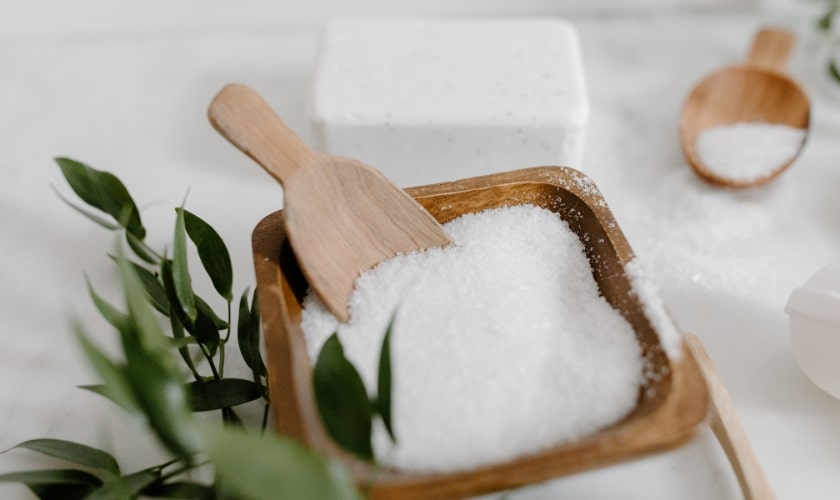
For centuries, people have turned to natural remedies for oral care, and salt is one such age-old practice. But is brushing your teeth with salt a wise decision in today’s world of advanced dental hygiene products? This comprehensive guide dives deep into the science behind salt and its potential benefits and drawbacks for your teeth and gums. We’ll also explore safe practices for using salt (if you choose to) and offer Cottleville dentist-approved alternatives for optimal oral health.
The Age-Old Practice: Historical Uses of Salt for Oral Care
Salt’s role in oral hygiene dates back millennia. Ancient civilizations in Egypt, Greece, and China used salt for cleaning teeth and gums. They recognized its antibacterial properties and believed it could freshen breath and fight toothaches.
In the absence of modern toothpaste, people throughout history relied on natural abrasives like salt to remove food particles and stains from teeth. However, the effectiveness and safety of these practices haven’t always been well understood.
Exploring the Science: Properties of Salt for Teeth and Gums
Let’s delve into the scientific properties of salt and how they might impact your oral health:
Mild Abrasive Action: Can Salt Remove Stains Effectively?
Salt does have a mild abrasive quality. This can be beneficial for removing surface stains from teeth caused by coffee, tea, or wine. However, it’s important to note that excessive abrasion can damage tooth enamel.
Antibacterial Effects: Does Salt Fight Bad Breath and Plaque?
Salt possesses some antibacterial properties. This might help reduce bad breath-causing bacteria and slow down plaque buildup to a certain extent. However, its effectiveness compared to modern toothpaste ingredients specifically designed to fight plaque is likely weaker.
Soothing Properties: Can Salt Ease Gum Inflammation?
Saltwater rinses are a common home remedy for soothing inflamed gums. The mild antiseptic properties of salt might help reduce inflammation and discomfort caused by gingivitis (mild gum disease). However, it’s not a substitute for proper dental care if you have gum problems.
Brushing with Salt: Potential Benefits and Drawbacks
Now that we understand the properties of salt, let’s weigh the potential benefits and drawbacks of using it for brushing your teeth.
Benefits of Brushing with Salt
While salt might not be a miracle cure for all your oral woes, it can offer some advantages when used strategically:
- Plaque and Stain Removal: The mild abrasive nature of salt can help remove surface stains and some plaque buildup. However, it’s crucial to use salt gently to avoid enamel erosion.
- Gum Soothing and Relief: A saltwater rinse can provide temporary relief from gum inflammation and discomfort associated with gingivitis. The mild antiseptic properties might help reduce swelling and irritation.
- Freshening Breath (as a saltwater rinse): Saltwater rinses can temporarily freshen breath by reducing bacteria that contribute to bad breath. However, it won’t address the underlying causes of chronic bad breath.
Drawbacks and Risks of Using Salt for Teeth
While salt might seem like a natural and readily available option for oral care, there are potential drawbacks to consider:
- Enamel Erosion: Salt’s abrasive quality, although mild, can erode tooth enamel over time, especially with frequent use. Enamel is the hard outer layer of your teeth that protects them from decay. Once damaged, enamel cannot repair itself.
- Lack of Fluoride: Modern fluoride toothpaste is essential for strengthening tooth enamel and preventing cavities. Salt doesn’t contain fluoride, a crucial element for optimal oral health.
- Gum Irritation: When used too harshly, salt can irritate gum tissue, especially if you already have sensitive gums. The abrasiveness can worsen existing gum problems.
Safe Practices for Brushing with Salt
We advise consulting with your dentist near Cottleville before incorporating salt into your oral care routine. However, if you still choose to try salt brushing, here are some safety practices to follow:
Choosing the Right Salt: Sea Salt vs. Table Salt
While both types can technically be used, sea salt is a slightly better option. Table salt has finer granules that can be more abrasive on teeth. Sea salt has larger, more irregular crystals that offer a gentler abrasive effect.
Creating a Salt Brushing Solution
Here’s a recipe for a simple salt-brushing solution:
- Mix half a teaspoon of sea salt with one cup of warm water.
- Stir until the salt dissolves completely.
Proper Brushing Technique with Salt: Gentle Does It
- Dip your toothbrush into the saltwater solution.
- Gently brush the surfaces of your teeth using short, circular motions.
- Focus on the gum line and avoid brushing too hard.
- Brush for two minutes following the recommended brushing time.
When to See a Dentist: Signs Salt Brushing Isn’t the Answer
Brushing with salt might seem like a quick fix, but it’s not a substitute for professional dental care. Here are some signs that indicate a visit to your Cottleville dentist is necessary:
Increased Tooth Sensitivity: If you experience increased tooth sensitivity after using salt, such as discomfort with cold or hot beverages, it could be a sign of enamel erosion. A dentist in Cottleville can assess the situation and recommend appropriate treatment.
Receding Gums: Salt can irritate gum tissue, and if you notice receding gums after using salt, discontinue its use and see your dentist near Cottleville. Receding gums can be a sign of gum disease, which requires professional attention.
Persistent Bad Breath or Gum Pain: While salt rinses might offer temporary relief for bad breath, persistent bad breath or gum pain can indicate underlying issues. Consulting your dentist in Cottleville is crucial for proper diagnosis and treatment.
Frequently Asked Questions
Can Salt Whiten Teeth?
Salt has mild abrasive properties that might help remove surface stains, but it’s not a whitening agent. For noticeable whitening, professional whitening treatments or dentist-approved whitening toothpaste are more effective.
Is Saltwater Rinse Good for Gums?
A saltwater rinse can provide temporary relief from mild gum inflammation. However, it’s not a long-term solution for gum disease. If you have persistent gum problems, consult your dentist for proper diagnosis and treatment.
What are some Natural Alternatives to Salt for Brushing?
Baking soda is a sometimes-used natural alternative for brushing. However, similar to salt, it can be abrasive. Look for fluoride-containing natural toothpaste with baking soda for a gentler approach with added fluoride benefits.
Is Brushing with Salt Safe for Children?
Children’s teeth are more delicate than adult teeth. Salt’s abrasiveness can be too harsh for them. Use fluoride toothpaste specifically formulated for children and consult your dentist about their specific oral care needs.