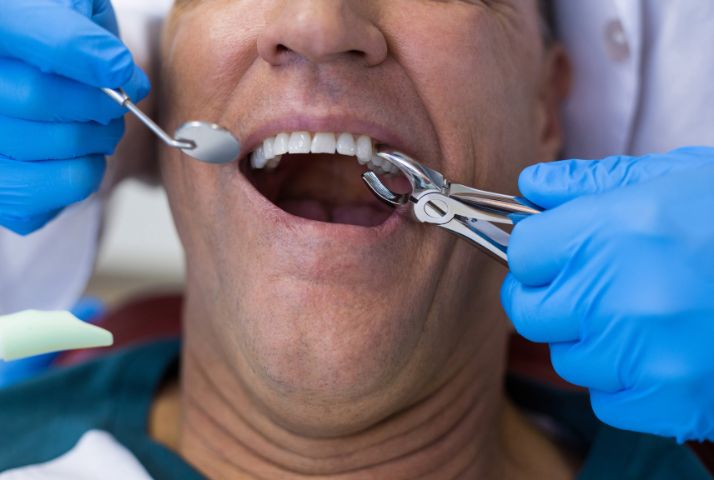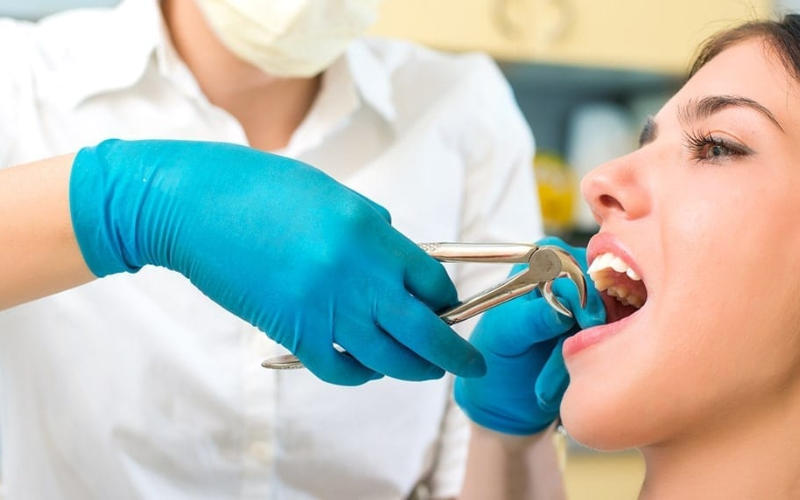


When you’ve just had a tooth pulled, it’s natural to want to keep your mouth clean and fresh. But brushing too soon—or the wrong way—can do more harm than good. So how do you protect your oral hygiene while ensuring proper healing?
Let’s uncover the right brushing habits after an extraction—because one wrong move can interfere with recovery. Whether it’s your wisdom tooth, molar, or incisor that was removed, this guide will help you navigate the delicate post-extraction period with confidence.
Why Is Post-Extraction Oral Hygiene So Important?
The area where your tooth was removed is now an open wound. If bacteria accumulate or if you disturb the blood clot that forms to protect it, you risk developing a painful condition known as dry socket. Proper brushing and hygiene help:
- Prevent infection.
- Support tissue healing.
- Minimize discomfort.
- Keep breath fresh during recovery.
When Can You Start Brushing Again?
The first 24 hours after an extraction are critical. During this period:
- Do not brush the extraction site.
- Avoid vigorous rinsing or spitting.
- Focus on rest and following dentist’s instructions.
Starting on day 2, you can begin gently cleaning your mouth—but with caution.
According to the American Association of Oral and Maxillofacial Surgeons, up to 25–30% of dry socket cases occur due to poor or aggressive oral hygiene after wisdom teeth extraction in Cottleville. Gentle care is not just suggested—it’s essential for healing.
Do’s: Brushing Tips for a Smooth Recovery
- Use a Soft-Bristled Toothbrush: Stick to a soft-bristled toothbrush to reduce irritation. Focus on areas away from the extraction site for the first few days.
- Be Gentle and Controlled: Use small, circular motions and light pressure. You’re not scrubbing—you’re removing plaque without disturbing healing tissue.
- Brush the Tongue and Roof of the Mouth: These areas still harbor bacteria. Keeping them clean helps reduce the risk of infection.
- Rinse Gently With Salt Water After 24 Hours: Saltwater rinses promote healing and remove debris—just remember to swish gently and let the water fall out instead of spitting forcefully.
Don’ts: Common Mistakes To Avoid
- Don’t Brush the Extraction Site Right Away: Brushing directly on the wound in the first couple of days can dislodge the clot and delay healing, potentially putting your oral health at risk..
- Avoid Alcohol-Based Mouthwashes: These can sting and dry out the healing area, causing unnecessary pain and irritation.
- Don’t Use an Electric Toothbrush Near the Site: The vibrations can interfere with clot formation and damage the healing tissues.
- Skip the Straw: Using a straw creates suction in the mouth, which can dislodge the clot and lead to dry socket.
What About The Rest of the Mouth?
Continue brushing and flossing the unaffected areas of your mouth regularly. Keeping these clean prevents bacteria from migrating to the extraction site. Just remember to move slowly and avoid rinsing too aggressively.
Signs You’re Brushing Too Soon or Too Hard
Watch out for these warning signs:
- Persistent bleeding.
- Throbbing pain at the extraction site.
- Moved clot or visible bone.
- Unpleasant taste or smell.
If you notice any of these, contact our dentist immediately.
Gentle Is the New Clean!
Brushing after a tooth extraction isn’t about scrubbing—it’s about striking the right balance between hygiene and healing. Let your mouth recover while keeping it fresh with gentle care, the right tools, and a dose of patience.
Still unsure about your brushing technique after an extraction? Don’t guess—ask our dentist for personalized advice and aftercare instructions. With the right habits, your smile will be on its way to a healthy recovery in no time.