

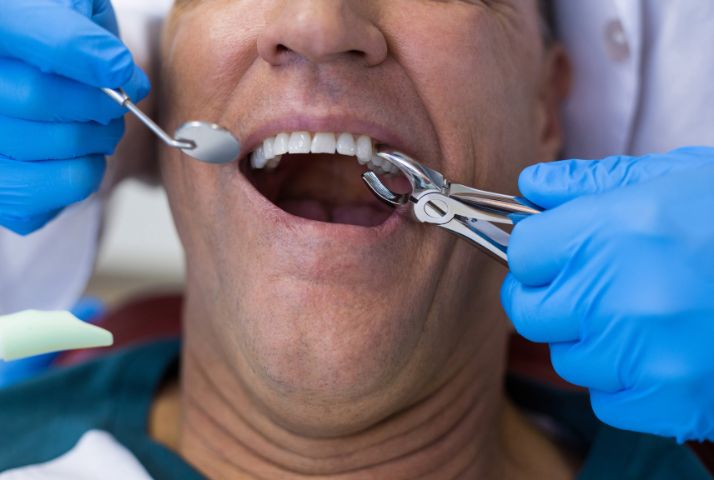
Dentists worldwide have extracted millions of teeth over the years. Teeth extraction is the last stage of a tooth’s life. The dentist examines the condition of the teeth and tries to save them with primary medications. In the worst case, dentists have no option other than tooth extraction. Dentists perform the procedure at the first or second visit, depending on the severity of the tooth decay. Yes, tooth extraction can be painful for patients when they regain sensation after the operation. The pain is for a shorter period, but it acts as a relief from daily pain.
Why Is Tooth Extraction Painful?
In the early ages, tooth extraction was painful, no doubt, due to the lack of modern techniques and medication. Tooth extraction can be done with advanced technology, which results in less pain for the patients. The dentist cut through the gum, uprooted the teeth, and then stitched the gum after extraction. It was the story of an early age. Now the extraction is advised by the dentist after a few steps, like:
- Patients need to check their blood sugar levels before the extraction.
- Dentists scan the X-ray before the extraction to determine the tooth’s root.
- Next, the dentist gives the patient the nitrous oxide pill before the extraction, creating a euphoric state.
- After the anesthesia, the dentist extracted the decayed tooth. Tooth extraction Cottleville, MO, is done with proper care and minute dedication.
Yes, after gaining the senses, the pain can be unbearable for some days, as it is like any other surgery, but medication is there to ease the pain.
Anesthesia Plays A Crucial Part In The Extraction
Anesthesia is the modern technique used before the extraction to make the procedure less painful for the patients. Even the pill of oral sedation acts as magic for the patients before extraction.
- Anesthesia creates numbness around the gum and the affected part of the teeth, so the patients cannot feel stitches, cutting, or extraction.
- Blood loss can make the patient anxious, and they start panicking. Anesthesia tends to make the patient feel sleepy they do not see the blood loss during the extraction.
- Oral sedation is more effective than nitrous oxide; doctors can easily extract teeth by applying it.
These methods ease the extraction process and the result of modern scientific discoveries.
Care Needed After The Extraction
After the extraction, the sensitive aspect begins. One needs to be extra attentive to care for the stitch. Otherwise, it may lead to infection. A few steps are:
- To get relief from stuck food, use a soft brush on the other side and fingers for 2-3 days after the extraction.
- Use a clean hand to remove the cotton if it is bleeding after the extraction.
- Drink smoothies and soups for a week and avoid chewing for a week.
- Take painkillers as the dentist advises and follow proper medication after the extraction.
- No usage of mouthwash this time, or avoid mouth movement immediately after the extraction.
Tooth extraction is sensitive, but the pain can be mitigated by following a few steps.
Tooth extraction is not that painful. The idea has completely changed due to an invention in dental science. Dentists worldwide take extra care to make their patients comfortable and make extraction easy for them. Now, patients go through this process regularly to get relief from the pain of a decayed tooth. Yes, oral health is sensitive as it helps in eating and talking, so it needs extra care to permanently avoid such causes of pain.