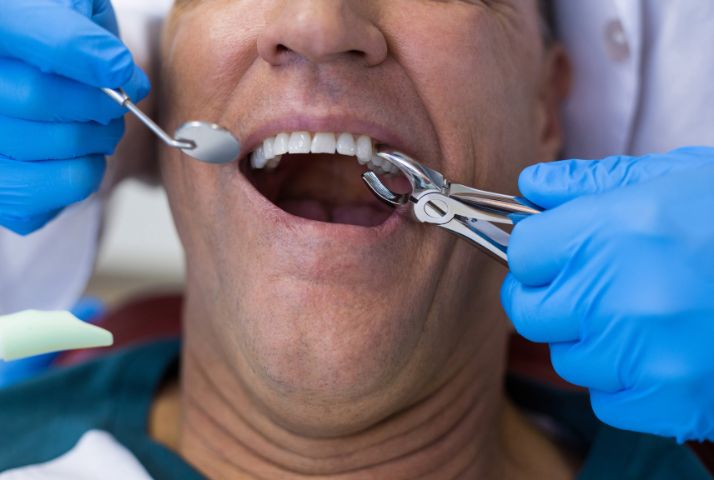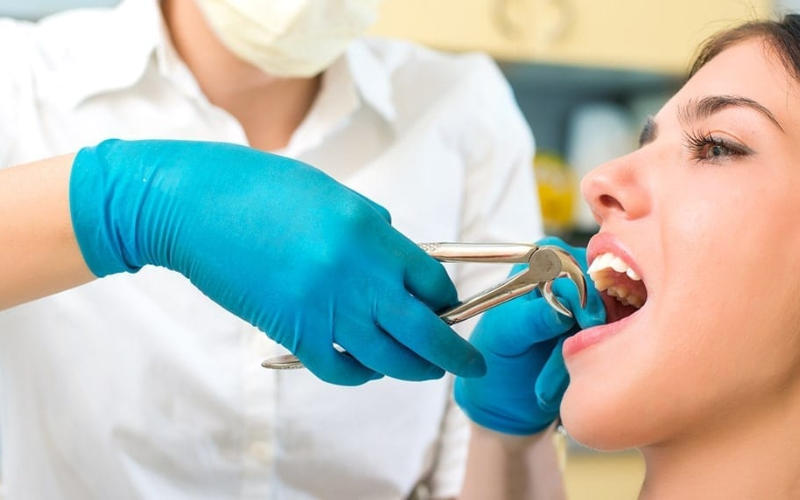


A blood clot forms over the tooth extraction site to safeguard and promote the healing of the underlying bone and nerve endings. This clot should remain in place until your gums fully recover and your mouth is back to normal.
Uncomfortable and slow to heal, dry socket. If that occurs, you will have a severe side effect known as alveolar osteitis. It’s crucial to make an effort to avoid it.
How does a Dry Socket develop?
After removing a tooth, a condition known as a dry socket may develop. Your bone and nerves become exposed without the clot, causing dry socket pain. The treatment entails inserting medicated gauze into the socket to relieve your discomfort.
Symptoms
You most likely have a dry socket if you can see a bone where your tooth once was when you gaze into an open mouth in a mirror.
A significant jaw aches that you cannot explain n another indicator of a dry socket. 2 to 3 days following the treatment, it is frequently felt on the same side as the tooth extraction site. However, a dry socket can happen at any point while the wound is healing.
Two other potential symptoms are bad breath and an unpleasant taste that stays in your mouth.
You should schedule an appointment with your Cottleville dentist when you see any of these signs.
How to Prevent Dry Socket?
Bone and nerve tissue are safeguarded by the blood clot that forms during tooth extraction. You want it to remain in place until you’ve recovered from surgery since it aids in healing your gums.
A dry socket usually happens when something dislodges or shifts the blood clot from the socket. In some cases, a dry socket occurs when a blood clot never forms in the first place.
Here are some strategies for avoiding dry sockets:
-
Don’t use straws.
When you use a straw, the suction action of the air and your cheek muscles could move your blood clot. After your extraction, you shouldn’t drink through a straw for a week.
-
Avoid using cigarettes and smoking.
A dry socket after a tooth extraction is much more likely to occur in smokers and tobacco users. According to one study, 12 percent of smokers who had a tooth extracted experienced a dry socket. In contrast, those who don’t smoke experienced dry sockets at a rate of only 4%.
Smoking’s rapid inhalation can cause your blood clot to become loose because other tobacco products’ ingredients may impede healing and result in an infection and holds for any type of smoking, not just cigarettes.
-
Comfort foods
Eat only soft meals the first day following your surgery, such as mashed potatoes, yogurt, and applesauce. You can try slightly heartier foods on the second day, but you should switch back to soft foods if you feel pain.
Avoid soup since it may cause sucking, which could cause the blood clot to come loose. Also, avoid nuts, seeds, crunchy meals like chips, and sticky items that could jam in your socket.
-
Inquire about possible drug interactions
According to a reliable source, oral contraceptives and dry sockets go hand in hand. Ask your dentist whether you are in danger. A proper blood clot may not form due to other drugs.
-
Adequate oral care
One of the most crucial strategies to avoid dry sockets is to keep your mouth clean. Good oral hygiene can help stop infections and germs from destroying blood clots.
How should you brush your teeth after surgery? Ask your dentist. On the first day, they might advise you just to rinse your mouth, and on the second day, they might advise you to brush very softly.
You might be given a prescription for an antibiotic mouthwash following surgery. Only use gauze pads as your doctor instructs you to.
Summary
A dry socket is a reasonably manageable ailment, even though it can be exceedingly painful. Soon after the treatment starts, you should start to feel better, and within a few days, all of your symptoms should be gone.
Call your dentist in Cottleville if you’re still experiencing pain or swelling after around five days. It’s possible that there is still junk there or that you have another problem.
If you’ve ever experienced a dry socket, you’re more likely to experience it again, so if you ever need to have another tooth out, make sure to let your dentist know about it.