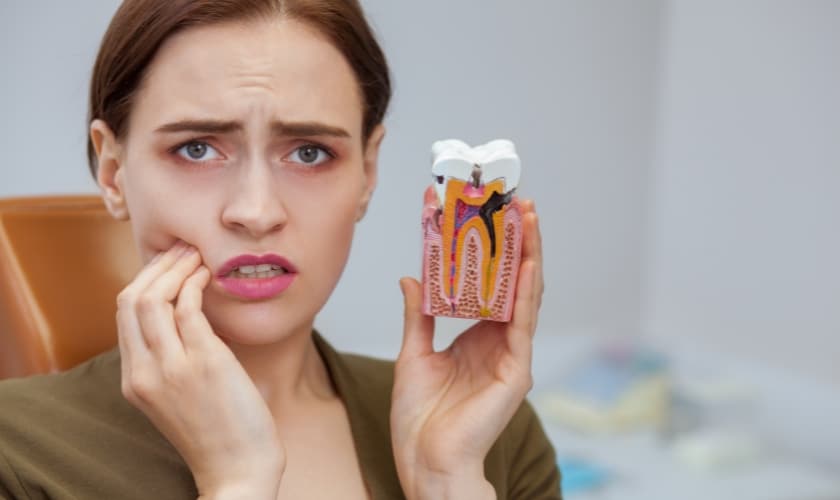

Picture this: You’re eating your favorite snack when, suddenly, a sharp pain shoots through your tooth. Or, perhaps you’ve gone through a fall, and now you have a chipped or broken tooth. These situations are not only distressing but also require immediate attention. Dental emergencies can happen unexpectedly, and knowing how to respond can make all the difference.
Understanding what qualifies as a dental emergency and how to handle it is essential to protect your oral health. In this blog, we’ll discuss the most common dental emergencies and how to address them effectively. From toothaches to knocked-out teeth, knowing what steps to take can help you manage the pain and minimize damage until you can see an emergency dentist.
What is a Dental Emergency?
A dental emergency is any oral health issue that requires immediate professional care to relieve pain, stop bleeding, or prevent further damage. Common dental emergencies include severe toothaches, broken or knocked-out teeth, abscesses, and lost fillings or crowns.
It’s essential to recognize when a situation requires urgent attention. For instance, if you experience excruciating pain, uncontrollable bleeding, or a tooth that has been completely knocked out, it’s crucial to seek an emergency dentist as soon as possible. Delaying treatment can worsen the condition and lead to more complex procedures or tooth loss.
On the other hand, issues like minor cavities or routine cleaning are not considered emergencies. Understanding the difference helps you act swiftly when necessary and avoid unnecessary visits to the dentist’s office. When in doubt, always consult an emergency dentist to ensure you make the right decision for your oral health.
The Most Common Dental Emergencies and Steps to Handle Them
Toothache:
Toothaches can result from cavities, gum disease, or sinus infections. A deep cavity or gum inflammation can cause persistent pain.
If you’re experiencing a toothache, rinse your mouth with warm saltwater to help reduce pain. Over-the-counter pain relievers, such as ibuprofen, can help alleviate discomfort until you visit an emergency dentist. Avoid placing aspirin directly on the tooth or gums, as it can cause irritation. Schedule a visit to your dentist promptly to determine the cause of the pain and receive proper treatment.
Broken or Chipped Teeth:
Accidents, falls, or biting into something hard can break or chip a tooth.
If you chip or break a tooth, try to save any broken pieces. Apply a cold compress to your cheek to reduce swelling. Avoid chewing on the affected side of your mouth and visit an emergency dentist immediately for repair. They may recommend bonding or a crown to restore the tooth’s function and appearance.
Knocked-Out Tooth:
Trauma from sports injuries or accidents can knock out a tooth.
Time is of the essence when dealing with a knocked-out tooth. Rinse the tooth gently with water (do not scrub it). Place the tooth back into the socket or store it in a milk container if possible. Visit an emergency dentist within an hour for the best chance of saving the tooth. If the injury is recent, the dentist will attempt to reimplant the tooth.
Abscess or Infection:
An untreated cavity, gum disease, or trauma can lead to an abscess or infection. This can cause intense pain, swelling, and fever.
If you suspect an abscess, apply a cold compress to reduce swelling. Pain relievers may help manage the pain. However, you need to visit an emergency dentist as soon as possible. Abscesses can spread infection to other body areas, so prompt treatment is critical to prevent complications.
Loose or Lost Filling:
Fillings can become loose or fall out due to wear and tear or injury.
If you lose a filling, you can temporarily seal the cavity with dental wax or temporary filling material, available at most drugstores. Avoid chewing on that side of your mouth and schedule a visit to the emergency dentist. They will replace the filling with a new one to restore the tooth’s integrity.
Dislodged Crown:
A crown can become loose due to trauma or wear over time.
If your crown falls out, try to keep it safe. You can use dental cement or wax to secure the crown temporarily. However, you must visit an emergency dentist as soon as possible to ensure the crown is reattached or replaced.
First Aid Tips for Dental Emergencies
In dental emergencies, quick action can significantly reduce pain and prevent further damage. Here are a few first-aid tips:
- General Advice for Pain Relief: Use over-the-counter pain medications like ibuprofen to alleviate discomfort. Apply a cold compress to reduce swelling and numb the area. Avoid very hot or cold foods and drinks that could aggravate the pain.
- What Not to Do: Never place aspirin directly on a tooth or gums, which can cause chemical burns. Don’t attempt to reinsert a knocked-out tooth if it’s dirty, and avoid trying to fix or repair broken teeth on your own.
Following these first-aid steps can provide temporary relief while you wait for professional care from an emergency dentist.
How to Prevent Dental Emergencies?
Preventing dental emergencies is always better than dealing with them afterward. Here are some practical tips:
- Good Oral Hygiene Habits: Brushing your teeth twice daily, flossing regularly, and visiting your dentist for routine checkups are essential. Proper care helps prevent cavities, gum disease, and other issues that could lead to dental emergencies.
- Safety Tips: Using a mouthguard while playing contact sports can prevent injuries to your teeth. Avoid chewing on hard objects like ice, pens, or your nails. Never use your teeth as tools, such as opening bottles or tearing packages.
- Regular Dental Visits: Routine dental visits allow your dentist to spot potential problems before they become emergencies. Early detection of cavities or gum issues can save you from urgent procedures down the road.
When to Seek Immediate Professional Help?
It’s essential to know when to call an emergency dentist. Some signs that require immediate care include:
- Severe Pain: Unbearable pain from a toothache, abscess, or injury needs immediate attention.
- Swelling or Bleeding: Uncontrolled bleeding or severe swelling from a dental injury is a red flag.
- Signs of Infection: Fever, a bad taste in the mouth, or pus near a tooth are signs of an infection.
When you visit the emergency dentist, they will assess your condition, manage your pain, and provide treatment to resolve the issue quickly. Depending on the severity of the problem, they may perform procedures such as root canals, extractions, or reimplantation of a knocked-out tooth.
Dental emergencies can be frightening, but knowing how to respond can make a significant difference. Whether you’re dealing with a toothache, a broken tooth, or a knocked-out tooth, acting quickly and seeking professional help is essential. Prompt attention from an emergency dentist can alleviate pain, prevent complications, and save your tooth.
If you’re ever unsure whether you need urgent care, don’t hesitate to contact our emergency dentists for advice. Early intervention can make all the difference in your oral health.