
A chronic toothache is sure to disrupt work, sleep, and even daily activities. Some ignore it, hoping it will subside, but it usually never does. Then comes one of the most efficient ways to stop persistent toothache: addressing the source, not the symptoms, and that’s what root canal treatment is designed to do.
According to the CDC, untreated dental decay remains one of the most common chronic health issues in the United States, with over 25 percent of the adult population afflicted. When decay reaches the inner tissue of a tooth, inflammation may cause deep, throbbing pain. Instead of removing the tooth, endodontic therapy saves the tooth, alleviates pain, and ultimately protects long-term oral health.
Why Persistent Tooth Pain Happens
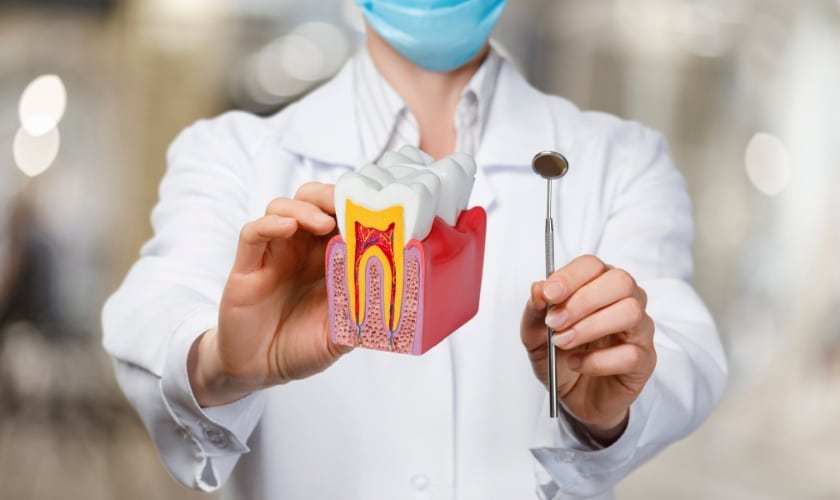
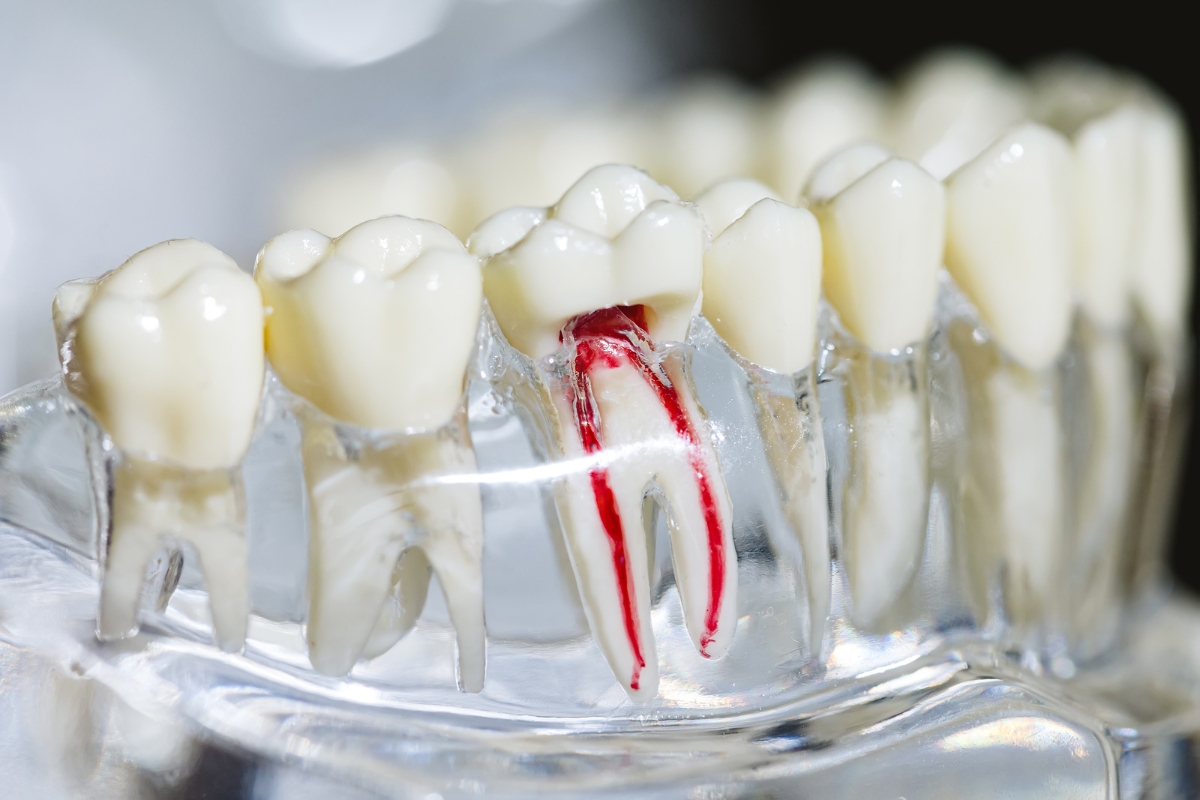
Toothaches that persist for more than a day or that recur over time are generally related to problems inside the tooth. The pulp contains nerves, blood vessels, and connective tissue. When bacteria penetrate this area, irritation can lead to swelling and persistent pain.
Common causes include:
- Deep cavities
- Cracked teeth
- Trauma
- Severe wear
- Past dental work that requires rework
This may further affect the surrounding bone and gum tissue if the infection continues. That is why early evaluation matters: it prevents complications, enables timely treatment, and preserves the natural tooth structure.
How Root Canal Treatment Works
During root canal treatment, infected pulp is removed, the area is cleaned, and it is sealed to prevent bacteria from re-entering. Usually, a custom dental crown is placed afterwards to strengthen your tooth.
This procedure will enable you to retain your natural tooth, rather than resorting to extraction. Most patients are astonished at just how routine and comfortable it feels. Modern techniques and anesthetics make the process similar to getting a filling.
For anyone looking to get a root canal in Cottleville, these options can help relieve ongoing pain and restore normal function without disrupting your daily routine.
Signs You May Need Root Canal Therapy
Not all toothaches demand a root canal; however, some symptoms should never be ignored:
- Lingering sensitivity after exposure to hot or cold
- Pain from pressure while chewing
- Swelling around the gumline
- Darkening of the tooth
- A pimple-like bump on the gum
If any of these symptoms persist, a dental consultation is the safest course. The earlier the care, the better the chances of saving the tooth and avoiding discomfort later on.
Root Canal Treatment Ensures Long-term Oral Health
Choosing root canal therapy helps:
- Preserve your natural bite
- Infection control is an essential measure to prevent the spread of infection.
- Reduce the need for tooth replacements
- Support jawbone health
With regular brushing, flossing, and routine dental visits, the treated tooth can last for many years.
For many patients, this procedure does more than stop a chronic toothache; it restores comfort and confidence in their smile. Relief begins with proper care. Persistent tooth pain is never something to ignore. Root canal treatment is necessary to preserve your own tooth and protect your oral health.
If you’re experiencing persistent discomfort or swelling, it’s time to seek help from your dentist before things worsen. Call Cottleville Smiles today to make an appointment and get long-lasting relief with our compassionate, patient-centric care.
FAQs
How long does recovery take after a root canal?
Most patients return to normal activities the same day. Mild soreness can occur temporarily and is usually managed with over-the-counter medication.
Will the tooth need additional treatment later?
Teeth that receive a crown after root canal therapy are more protected. Regular dental visits help ensure long-term success.
Can a root canal fail?
Though uncommon, retreatment may be needed if bacteria re-enter the tooth. Early diagnosis keeps this risk low.
Is swelling always a sign of infection?
Not always. Gum irritation, injury, or sinus issues can also cause swelling, but persistent symptoms should be evaluated.
Can a toothache stop without treatment?
Pain may lessen temporarily, but the infection can continue to progress. Professional care prevents further damage.