

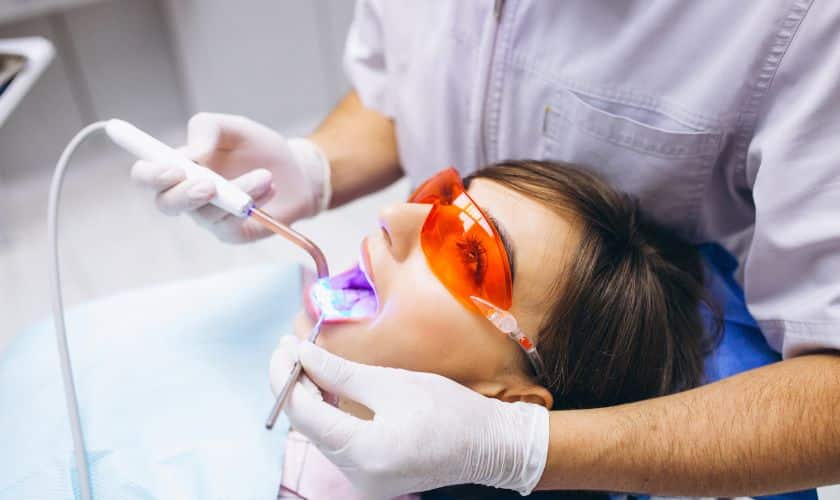
Smiling with confidence is an essential part of living a fulfilling life, but tooth loss can leave you feeling self-conscious and hesitant to show off your pearly whites. Enter dental implants – the revolutionary solution that not only restores your smile but also boosts your overall quality of life. From eating your favorite foods to speaking clearly without fear of slippage, dental implants offer a world of benefits that will change the way you live forever. Keep reading to learn why this game-changing treatment is worth considering for anyone missing one or more teeth!
What are Dental Implants?
Dental implants are titanium posts that are placed in the jawbone to act as artificial tooth roots. Once in place, they allow your dentist to securely attach replacement teeth. Implants can be used to support a single dental crown, a dental bridge, or even a full set of dentures.
While dental implants are the best option for replacing missing teeth, they are not right for everyone. The best candidates for dental implants are non-smokers who have healthy gums and enough bone density to support the implant. Your dentist will be able to determine if you are a good candidate for dental implants during a consultation.
If you do decide to get dental implants, you can expect the process to take several months from start to finish. The first step is placing the implant in your jawbone. This is typically done with a local anesthetic and takes about an hour. Once the implant is in place, it will need time to fuse with your bone before the next step can be taken.
The next step is attaching the artificial tooth (or teeth) to the implant. This can be done once the implant has fully fused with your bone, which usually takes around three months. In some cases, a temporary tooth may be attached to the implant at this point. The final step is placing the permanent tooth (or teeth). This usually takes another two weeks or so.
Benefits of Dental Implants
Dental implants are a popular and effective treatment for missing teeth. They are also used to support dentures. Dental implants are made from titanium, which is a biocompatible material that fuses with the jawbone. This helps to provide stability and support for the replacement tooth or teeth.
There are many benefits of dental implants, including:
1. Improved appearance – dental implants look and feel like natural teeth, which can boost your confidence
2. Improved oral health – because dental implants do not require reduction of healthy tooth structure, they can help to preserve your oral health
3. Improved function – dental implants allow you to eat, speak and smile with confidence, knowing that your teeth are securely in place
4. Increased comfort – unlike dentures, which can slip and rub against the gums, dental implants are snugly fitted and provide a more comfortable fit
Source: brunodentist
Types of Dental Implants
There are two main types of dental implants: endosteal and subperiosteal. Endosteal implants are the most common type and are placed directly into the jawbone. Subperiosteal implants are placed under the gum but on or above the jawbone.
Endosteal Implants:
Endosteal implants are the most commonly used type of dental implant. This involves surgically placing titanium posts directly into the jawbone. Once the posts have bonded with the jawbone, they act as a foundation for artificial teeth, which are then attached to the posts. With proper care, endosteal implants can last a lifetime.
Subperiosteal Implants:
Subperiosteal implants are less common than endosteal implants and are usually used for patients who do not have enough bone height in their upper jaw for endosteal implants. Subperiosteal implants consist of a metal frame that is placed under the gum but on or above the jawbone. As the gum heals, it attaches to the frame and secures it in place. Once healed, artificial teeth can be attached to the frame.
How to Prepare for a Dental Implant Procedure
If you are considering dental implants, there are a few things you should know to help you prepare for the procedure. First, it is important to have a healthy mouth and gums. This means no active tooth decay, gum disease, or other mouth infections. If you do have any of these conditions, your dentist will likely treat them before moving forward with implant placement. You should also have enough bone in your jaw to support the implant. If you don’t, a bone graft may be necessary.
Once it is determined that you are a good candidate for dental implants, the next step is to schedule your surgery. This will usually involve an initial consultation appointment and then a separate surgery appointment. During the consultation, your dentist will go over the details of the procedure with you and answer any questions you may have. They will also take X-rays and impressions of your teeth to create a treatment plan.
When the day of your surgery arrives, be sure to follow any instructions your dentist has given you regarding eating and drinking beforehand. You will likely be given local anesthesia to numb the area around your implant site(s), but you may still feel some pressure during the procedure. Recovery from dental implant surgery usually takes several weeks. During this time, it is important to eat soft foods and avoid putting too much pressure on your teeth by chewing hard foods or biting your nails.
Postoperative Care for Dental Implants
Dental implants are a popular and effective way to replace missing teeth. They are also used to support dentures. The surgery to place dental implants is usually safe and has a short recovery time. Here are some things you can do to help ensure a smooth recovery:
1. Follow your dentist’s instructions for caring for your mouth after surgery. This may include gently rinsing your mouth with salt water, avoiding hard or crunchy foods, and using ice packs to reduce swelling.
2. Take all of the antibiotics prescribed by your dentist as directed. This will help prevent infection at the surgical site.
3. Be sure to keep all follow-up appointments with your dentist so they can monitor the progress of your dental implants and make any necessary adjustments.
Conclusion
Dental implants are an increasingly popular choice for patients who want to improve their quality of life. With a success rate as high as 98%, dental implants provide a secure, long-term solution that can help you regain your self-confidence and boost your overall well-being. If you’re looking for an effective and lasting treatment option for missing teeth, dental implants could be the answer. Speak with your dentist and explore all the options available to find out if getting dental implants is right for you.
FAQs
- What are dental implants?
Dental implants are artificial roots that are placed into your jawbone to support a replacement tooth or teeth.
2. What are the benefits of dental implants?
Dental implants can improve your quality of life in many ways. They can give you back your smile, help you eat and speak more easily, and make it easier to brush and floss your teeth. In addition, they can help preserve your jawbone and prevent your face from sagging.
3. How long do dental implants last?
With proper care, dental implants can last a lifetime. However, the average lifespan of an implant is 10 to 15 years.