

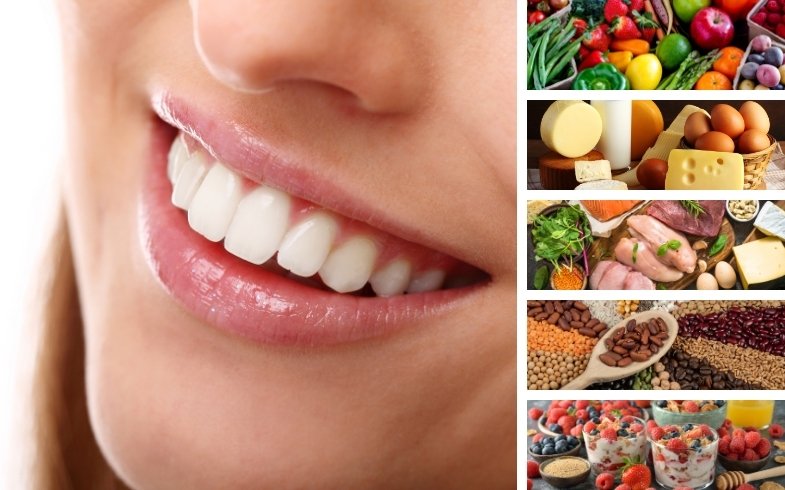
Thanksgiving in Cottleville is a time for family, delicious meals, and joyful celebrations. While we gather around the table to enjoy hearty dishes, it’s easy to overlook these foods’ impact on our dental health. Although it’s tempting to indulge in sugary treats and rich foods, it’s also an ideal moment to be mindful of maintaining healthy teeth and gums.
This blog will explore how Thanksgiving meal prep can benefit your taste buds and your smile. From choosing dental-friendly foods to brushing strategies, you’ll find simple tips to protect your oral health without sacrificing the flavors of the season.
Why Thanksgiving Meal Prep Matters for Dental Health
Thanksgiving meals can present challenges for dental health. Many classic dishes are loaded with sugar, acid, or sticky ingredients that can harm your teeth. Desserts like pies, candies, and sweet potatoes can leave behind sugar that promotes plaque buildup.
Sticky foods like candied yams and dried fruit cling to teeth and can lead to cavities. Acidic drinks like cranberry juice or wine can erode enamel, leaving teeth more vulnerable to decay.
Meal prepping helps manage these challenges by allowing you to control what goes into your dishes. You can swap out sugar-heavy ingredients or incorporate more tooth-friendly options like crunchy vegetables, lean proteins, and dairy-rich foods.
Portion control is another benefit of meal prep, ensuring you don’t overindulge. By planning, you can avoid excessive sugar or acidic foods affecting your oral health.
Local Cottleville dentists encourage mindful eating during the holidays. They know that small adjustments can make a big difference. As you prepare for your Thanksgiving feast, consider how making health-conscious choices now can support both your dental hygiene and overall well-being.
Dental-Friendly Thanksgiving Foods
Fruits and Vegetables
Fresh fruits and vegetables are some of the best foods for your teeth. Crunchy vegetables like carrots, celery, and cucumbers naturally scrub the surfaces of your teeth, helping to reduce plaque buildup.
Apples and pears are fiber-rich, promoting healthy gums and stimulating saliva production. These foods help balance your holiday meal with a refreshing and tooth-friendly touch.
Dairy
Calcium is essential for strong teeth, and dairy products are excellent sources. Cheese, yogurt, and milk help to neutralize acids in the mouth, reducing the risk of tooth decay. Cheese also increases saliva flow, which is beneficial for rinsing away food particles.
Adding a cheese platter or a yogurt-based dip to your Thanksgiving spread can be a great way to incorporate tooth-strengthening foods.
Lean Proteins
Turkey, chicken, and other lean meats are great sources of protein and help keep your gums healthy. Protein-rich foods support tissue repair, which is important for overall oral health.
As you prepare your holiday meals, include these healthy meats to provide your body with the nutrition for optimal dental health.
Whole Grains
Thanksgiving often includes bread and stuffing, but opting for whole grains can be more dental-friendly. Whole wheat bread, quinoa, and brown rice provide more fiber and fewer simple sugars than refined carbs. These grains are less likely to contribute to plaque buildup and can aid digestion, making them a better choice for both your teeth and overall health.
Healthy Desserts
Traditional desserts like pumpkin pie and pecan pie are loaded with sugar, which can lead to cavities. However, there are ways to enjoy a sweet treat while being kinder to your teeth.
Consider alternatives like sugar-free or lightly sweetened desserts. Fresh fruit-based options, such as baked apples with a sprinkle of cinnamon, can satisfy your sweet tooth without causing damage to your teeth.
Foods to Limit or Avoid for Dental Health
Sugary Desserts
Candy, pies, and other sugary treats are a staple of Thanksgiving celebrations, but they can do serious harm to your teeth.
Sugar feeds the bacteria in your mouth, which produces acids that attack tooth enamel. These sugars also promote plaque formation, leading to cavities and gum disease. Moderation is key—limit sugary desserts or opt for sugar-free alternatives when possible.
Sticky Foods
Sticky foods like caramel, candied yams, and dried fruits (raisins, dates) may seem harmless but pose a significant risk to your dental health. They tend to cling to teeth, making it harder for saliva to wash away the sugars.
This increases the chances of cavities. If you indulge in these sticky treats, brush and floss thoroughly afterward.
Acidic Drinks
Drinks like cranberry juice, wine, and sugary sodas are commonly enjoyed during Thanksgiving but can erode tooth enamel. The acid in these beverages wears down the protective layer of your teeth, making them more vulnerable to decay.
It’s better to choose water or unsweetened herbal teas during meals, as they help to cleanse your mouth and prevent acid buildup.
Salty Snacks
While salty snacks like crackers and chips are often served at holiday gatherings, too much salt can lead to dry mouth. Saliva is essential for protecting your teeth and neutralizing acids, so a dry mouth makes it easier for bacteria to thrive.
Drink plenty of water to stay hydrated and help your mouth produce the saliva needed to protect your teeth.
Proactive Dental Hygiene Tips for Thanksgiving
Brush and Floss After Meals
One of the simplest ways to protect your teeth during Thanksgiving is to brush and floss after eating. This helps remove food particles and prevents plaque from building up on your teeth. If you can’t brush right away, rinse your mouth with water or use mouthwash to help reduce bacteria.
Hydration
Drinking plenty of water throughout your Thanksgiving meal is essential for keeping your mouth clean. Water helps rinse away food particles and neutralizes acids that could harm your enamel. It also keeps your mouth hydrated, which promotes saliva production and prevents dry mouth.
Chewing Sugar-Free Gum
Chewing sugar-free gum after meals is a great way to protect your teeth. It stimulates saliva production, which helps neutralize acids and wash away food particles. Make sure the gum is sugar-free to avoid feeding the harmful bacteria in your mouth.
Avoiding Late-Night Snacks
After a long day of Thanksgiving celebrations, it’s easy to snack late into the night. However, eating before bed can increase the risk of cavities. Bacteria in your mouth work overnight to feed on leftover food, so avoiding late-night snacks is best. If you do eat, try to brush your teeth before going to bed.
Enjoy the festivities this Thanksgiving while keeping your dental health in mind. You can ensure your smile stays bright throughout the season by making mindful food choices, controlling portions, and following simple dental hygiene practices. Remember, a little planning goes a long way in promoting healthy teeth and gums.
If you need further advice or a check-up, don’t hesitate to contact our local Cottleville dentists. Enjoy the holidays with family, great food, and healthy smiles!