

What is a dental bone graft?
A dental bone graft is a surgical procedure used to rebuild lost or damaged bone in the jaw. This bone loss can occur due to various reasons, such as:
- Tooth extraction: When a tooth is extracted, the surrounding bone can begin to deteriorate over time.
- Periodontal disease: This gum infection can destroy the bone that supports the teeth.
- Injury: Trauma to the jaw can result in bone fractures or loss.
- Congenital defects: Some individuals may have underdeveloped jawbones from birth.
Why are bone grafts performed?
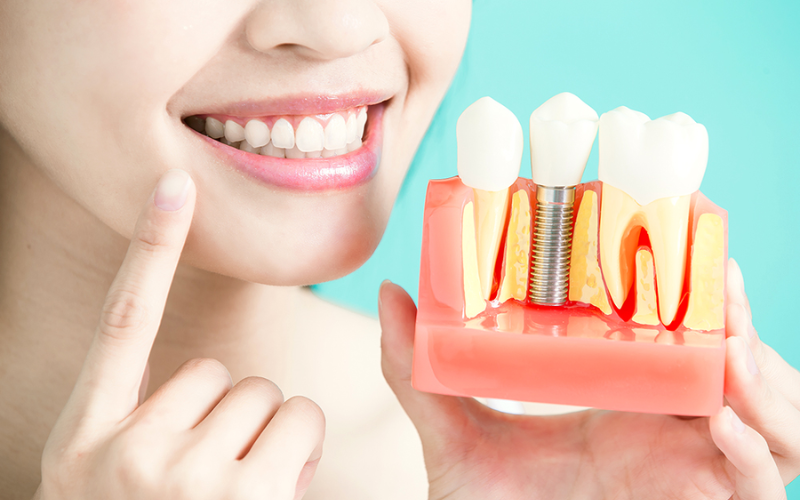
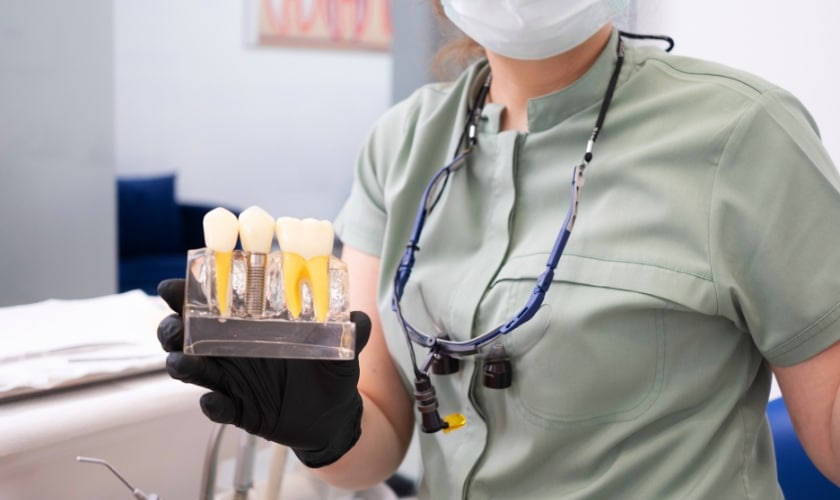
Dental bone grafts are most commonly performed to create a strong foundation for dental implants. Implants are screw-like posts surgically placed in the jawbone to act as artificial tooth roots. Bone grafts ensure sufficient bone volume and density to support the implant and allow for proper osseointegration (fusion with the jawbone).
Bone grafts can also be used for other purposes, such as:
- Preserving the socket after tooth extraction to prevent bone resorption and facilitate future implant placement.
- Correcting jaw defects for improved facial aesthetics and functionality.
- Supporting other dental procedures like bridge placement or bone augmentation for dentures.
Briefly explain the different types of bone grafts
There are three main types of bone grafts used in dentistry:
- Autogenous bone grafts: These grafts use your own bone, typically harvested from the chin, lower jaw, or other areas within the mouth. This option offers excellent biocompatibility and reduces the risk of rejection.
- Allogeneic bone grafts: These grafts come from donated bone tissue, either from a bone bank or another individual. They may be mineralized or demineralized, depending on the need.
- Xenogeneic bone grafts: These grafts are derived from animal bone, most commonly bovine bone. They are processed to remove any potential pathogens and are slowly absorbed by the body while promoting new bone growth.
The type of bone graft used will depend on various factors, including the extent of bone loss, the desired outcome, and the patient’s individual preferences and suitability for each option.
Dental Bone Graft Healing Process
What happens during the healing process?
Following a dental bone graft surgery, your body goes through a natural healing process to integrate the grafted material with your existing bone. This process involves several key stages:
- Inflammation: This initial stage lasts for a few days and involves swelling, pain, and redness at the surgical site. It’s a normal response to tissue injury and triggers the body’s healing cascade.
- Blood vessel formation: New blood vessels grow into the graft to provide oxygen and nutrients necessary for bone growth and integration.
- Bone formation: Over the next few months, new bone cells begin to form and replace the grafted material. This process occurs gradually and requires time for the new bone to mature and achieve its full strength.
- Remodeling: In the final stage, the newly formed bone undergoes remodeling, where it is reshaped and adjusted to match the surrounding bone structure and function.
It’s important to understand that this healing process is gradual and takes time, typically ranging from 6 to 9 months or even longer in some cases.
Timeline of healing stages:
The following is a general timeline of the different stages of dental bone graft healing:
- 1-2 weeks: This initial period involves pain, swelling, and discomfort, which can be managed with medication and ice packs. You’ll likely be on a soft diet and need to be gentle with the surgical site.
- 3-4 months: During this stage, new bone begins to form around the graft material. You may still experience some mild discomfort, but overall, you should feel progressively better.
- 6-9 months or longer: This is the final stage where complete healing and bone integration occur. The grafted area should feel normal, and your Cottleville dentist can assess the success of the procedure and determine if you’re ready for further dental work, like implant placement.
Remember, this is just a general timeline, and individual healing experiences can vary.
Factors Affecting Healing Time
Several factors can influence how long it takes for a dental bone graft to heal completely. Here’s a breakdown of some key contributors:
- Type of bone graft:
- Socket preservation grafts: These are typically smaller and placed in the empty socket after tooth extraction. They often heal faster, within 3-4 months, as they involve minimal bone augmentation.
- Sinus augmentation grafts: These grafts are more complex and involve bone addition in the upper jaw near the sinus cavity. Due to the delicate nature of the area, healing can take longer, ranging from 6 to 12 months or even longer.
- Ridge augmentation grafts: These grafts vary in complexity depending on the amount of bone needed to rebuild the jaw ridge. Healing time can range from 4 to 9 months or more, depending on the extent of the procedure.
- Amount of bone grafting needed:
The larger the area requiring bone reconstruction, the more extensive the surgery and the longer the healing time will likely be.
- Age and overall health:
Younger patients tend to heal faster than older individuals due to their generally stronger immune system and faster regeneration capabilities. Additionally, individuals with underlying medical conditions or compromised immune systems may experience slower healing times.
- Smoking and other lifestyle habits:
Smoking significantly hinders the healing process by reducing blood flow and oxygen supply to the surgical site. This can lead to delayed healing and an increased risk of complications. Additionally, excessive alcohol consumption and poor nutrition can also negatively affect healing.
- Proper post-surgical care:
Following your dentist’s post-operative instructions diligently plays a crucial role in optimizing healing. This includes maintaining good oral hygiene, adhering to a soft diet, avoiding strenuous activity, and attending follow-up appointments as scheduled.
Recovery Tips for Dental Bone Graft
Following a dental bone graft procedure, proper post-operative care is essential for optimal healing and minimizing discomfort. Here are some key tips to help you recover smoothly:
- Pain management:
- Medication: Your reliable dentist in Cottleville will prescribe pain medication to manage discomfort following the surgery. Take the medication as directed and only for the prescribed duration.
- Ice packs: Apply ice packs to the outside of your cheek near the surgical site for 15-20 minutes at a time, several times a day, to reduce swelling and pain.
- Diet:
- Soft foods: Stick to a soft diet for the first few days following surgery. This includes foods that are easy to chew and swallow, such as mashed potatoes, yogurt, soups, and steamed vegetables.
- Avoid hot and hard foods: These can irritate the surgical site and hinder healing.
- Gradually transition to regular foods: As your healing progresses and you feel comfortable, gradually introduce solid foods back into your diet, starting with softer options and progressing to harder textures as tolerated.
- Oral hygiene:
- Gentle brushing and flossing: Maintain proper oral hygiene by brushing your teeth gently with a soft-bristled toothbrush twice daily and flossing carefully around the surgical site, avoiding direct contact with the area.
- Use a chlorhexidine mouthwash: Your Cottleville dentist may recommend using a chlorhexidine mouthwash for a limited period to help reduce bacteria and promote healing.
- Rest and avoid strenuous activity:
- Get adequate rest: Allow your body time to heal by getting enough sleep and avoiding strenuous activities in the first few days following surgery.
- Limit physical activity: Avoid strenuous exercise or activities that could put undue pressure on the surgical site for a period of time, as advised by your dentist.
- Follow-up appointments with your dentist:
- Schedule regular follow-up appointments: It’s crucial to attend all scheduled follow-up appointments with your dentist in Cottleville. During these visits, they will monitor your healing progress, check for any potential complications, and provide necessary care instructions.
Additional Considerations
While recovering from a dental bone graft, various questions and concerns may arise. Here are some commonly asked questions and additional points to consider:
Can I smoke after a dental bone graft?
Smoking is strongly discouraged after a dental bone graft due to its detrimental effects on healing. Smoking hinders blood flow, reduces oxygen supply to the surgical site, and increases the risk of infection and complications. It’s crucial to abstain from smoking for at least several weeks or, ideally, quit smoking altogether for optimal healing and long-term success of the procedure.
When can I eat solid foods again?
The timeframe for reintroducing solid foods after a bone graft depends on your individual healing progress and your dentist’s specific instructions. Generally, you’ll be on a soft diet for the initial period (1-2 weeks) following surgery. As your healing progresses and the discomfort subsides, you can gradually introduce softer solid foods and eventually transition back to your regular diet.
Can I exercise after a dental bone graft?
While it’s important to get some physical activity during recovery, strenuous exercise is generally restricted in the initial days following surgery. This is to minimize strain on the surgical site and allow for proper healing. Your dentist will advise you on appropriate activity limitations and recommend when you can gradually resume your regular exercise routine.
What are the signs of healing problems?
While some level of discomfort and swelling is expected after surgery, be aware of potential signs that may indicate healing problems:
- Excessive pain or swelling that worsens instead of improving
- Fever or chills
- Bleeding that doesn’t stop
- Numbness or tingling that persists
- Pus or foul odor at the surgical site