

What is a dental crown?
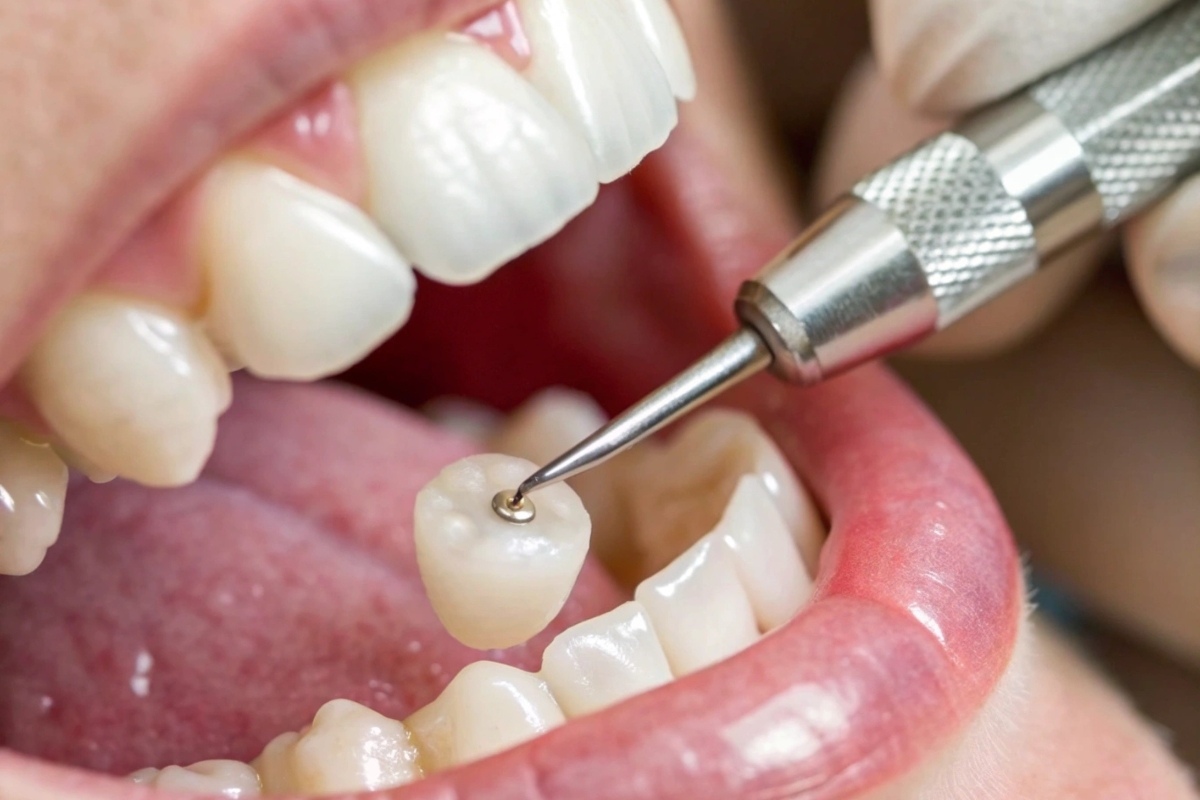
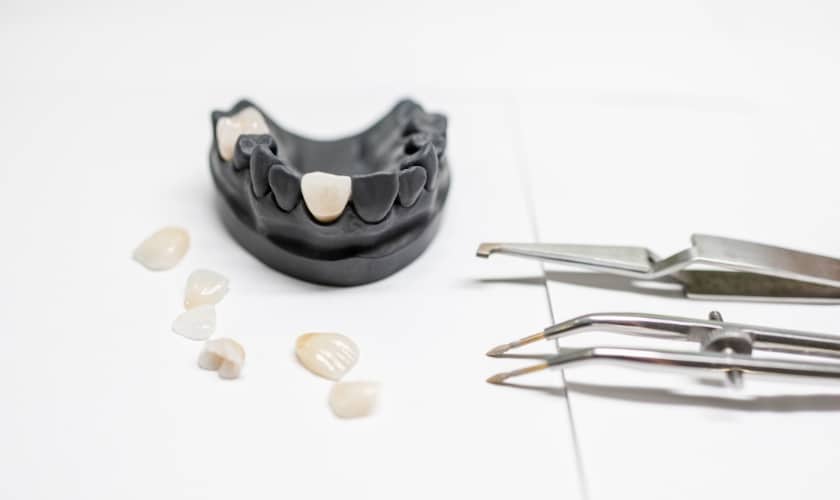
A dental crown, also known as a cap, is a tooth-shaped restoration that covers and protects a damaged, weak, or heavily decayed tooth. Crowns are custom-made to fit the exact size and shape of the tooth, restoring its function, appearance, and strength. They are typically made from various materials like porcelain, metal, or zirconia and are permanently cemented onto the remaining tooth structure.
Why do crowns break?
Several factors can contribute to a broken crown:
- Biting hard objects: Chewing on hard candies, ice, nuts, or other tough foods can put excessive pressure on the crown, causing it to chip, crack, or even break completely.
- Bruxism (teeth grinding): This involuntary habit of grinding or clenching teeth can wear down and weaken the crown over time, making it susceptible to breakage.
- Age: Dental crowns, like any dental restoration, can deteriorate with time due to wear and tear.
- Trauma: A blow to the face or mouth from an accident or injury can damage or fracture the crown.
- Pre-existing cracks or weaknesses: Sometimes, crowns placed over teeth with pre-existing cracks or weakened structures are more prone to breakage in the future.
Signs of a broken crown
If you suspect a broken crown, be alert for the following signs and symptoms:
- Pain or sensitivity: This could be a dull ache, sharp pain, or sensitivity to hot or cold beverages and foods.
- Chips, cracks, or fractures: Visible damage to the crown, such as a chip, crack, or a piece of the crown missing.
- Loose crown: A crown that feels loose or wobbly in the mouth.
- Discomfort when chewing: Difficulty or pain when biting or chewing due to the compromised tooth structure or misaligned crown.
If you experience any of these signs, it’s crucial to schedule an appointment with your Cottleville dentist as soon as possible for a proper evaluation and treatment plan. They can determine the extent of the damage and recommend the best course of action, whether repair or replacement of the crown.
Repairing a Broken Crown
Not all broken crowns require replacement. In some cases, repair might be a viable option, depending on the severity of the damage and the overall condition of the tooth.
When is repair possible?
Repair is generally considered suitable for:
- Minor chips or cracks: If the damage is small and doesn’t involve a significant portion of the crown, it can often be repaired with bonding materials.
- Loose crowns: If the crown is loose but not damaged, the dentist can receive it back on the tooth.
Types of crown repairs:
- Dental bonding: This procedure involves using a tooth-colored resin material to fill in the chipped or cracked area of the crown. The resin is hardened with a special light, and the crown is polished to match the surrounding teeth. Bonding is a relatively quick and affordable option, but it may not be as durable as a full crown replacement, especially for larger cracks or chips.
- Recementing a loose crown: If your crown feels loose, the dentist can remove it, clean the underlying tooth and the crown, and then re-cement it back in place. This is a simple procedure, but repeated recementing might not be a long-term solution if the crown becomes loose frequently.
Benefits of repairing a crown:
- Cost-effective: Repair is usually significantly cheaper than replacing the entire crown.
- Faster procedure: Repair procedures are typically quicker and require fewer appointments compared to full crown replacement.
- Preserves tooth structure: Retains more of the original tooth structure compared to replacement, which may involve removing additional tooth structure to accommodate the new crown.
Potential drawbacks of repair:
- It may not be a long-term solution: Repairs might not last as long as a full crown replacement, especially for more extensive damage.
- Aesthetics: Bonding materials might not perfectly match the color and shade of the surrounding teeth, potentially affecting the aesthetics of the smile.
Whether repair is the right choice for you depends on the specific situation and your dentist’s professional recommendations. They will carefully evaluate the extent of the damage, the type of crown material, and your individual needs to determine the most suitable course of action.
Replacing a Broken Crown
If the damage to your crown is too significant or repair is not a viable option, your Cottleville dentist will likely recommend replacing the crown entirely.
When is replacement necessary?
Replacement is typically necessary for:
- Major cracks or fractures: When the crack or fracture is large and compromises the structural integrity of the crown.
- Extensive damage: If a significant portion of the crown is missing or broken beyond repair.
- Compromised tooth structure: If the underlying tooth structure is severely damaged or weakened, requiring additional support from a full crown.
Types of replacement crowns:
There are several types of crown materials available, each with its advantages and disadvantages:
- Porcelain crowns: These are the most popular choice, offering a natural, tooth-like appearance and good durability. However, they may be more susceptible to chipping or breaking than other materials, especially in areas subjected to high biting forces.
- Metal crowns: Traditionally made of gold or alloys, metal crowns are highly durable and long-lasting. However, their metallic appearance makes them less aesthetically pleasing compared to other options.
- Zirconia crowns: These crowns offer a good balance of aesthetics and strength. They are biocompatible, resistant to chipping and wear, and provide a natural-looking translucency similar to teeth.
Choosing the right crown material:
Several factors can influence your choice of crown material, including:
- Cost: Porcelain crowns are generally more expensive than metal crowns, while zirconia falls somewhere in between.
- Strength and durability: Consider the location of the crown and the forces it will be subjected to when choosing the material’s strength.
- Aesthetics: If you prioritize a natural appearance, porcelain or zirconia might be better options than metal.
- Your individual needs and preferences: Discuss your options and concerns with your dentist in Cottleville to determine the best material for your specific situation.
The crown replacement process:
The crown replacement process typically involves several steps:
- Consultation and examination: Your Cottleville dentist will examine the tooth, assess the damage, and discuss your treatment options and preferences.
- Preparing the tooth: This may involve removing any remaining portions of the broken crown and shaping the underlying tooth structure to accommodate the new crown.
- Taking impressions: Impressions of your teeth will be taken to create a mold for the new crown.
- Temporary crown: A temporary crown will be placed to protect the tooth while the permanent crown is being fabricated in a dental lab.
- Placing the permanent crown: Once the permanent crown is ready, your dentist will ensure it fits properly, adjust it if needed, and then permanently cement it onto the tooth.
Recovery and care after crown replacement:
Following crown placement, some mild sensitivity or discomfort is normal for a few days. Your dentist in Cottleville will provide specific instructions on caring for your new crown, which typically involves practicing good oral hygiene, avoiding excessive chewing on hard objects, and scheduling regular dental checkups to ensure the crown’s health and longevity.
Cost Considerations
The cost of repairing or replacing a broken crown can vary depending on several factors:
- Procedure: Repair is generally significantly cheaper than replacing the entire crown.
- Material: The type of crown material chosen (porcelain, metal, zirconia) will significantly impact the cost, with zirconia typically being the most expensive option.
- Dentist’s experience and location: The experience level of your dentist near you and the geographical location of the practice can also influence the cost.
- Dental insurance: Dental insurance might cover a portion of the crown repair or replacement cost, depending on your specific plan. It’s crucial to check with your insurance provider to understand your coverage and any associated limitations.
Here’s a general comparison of costs, but remember these are estimates, and the actual cost can vary:
- Repair: $100 – $300
- Metal crown: $500 – $1,000
- Porcelain crown: $800 – $1,500
- Zirconia crown: $1,000 – $2,000
It’s important to remember that cost should not be the sole factor when making decisions about your dental care. While choosing the most affordable option might seem appealing, prioritizing the quality and durability of the materials and the dentist’s expertise can contribute to a longer-lasting and ultimately more cost-effective solution in the long run.
Additional Considerations
Taking care of your crown and maintaining good oral hygiene practices are crucial to prevent future breakage and ensure its longevity. Here are some additional points to consider:
- Brushing and flossing: Maintain a consistent and thorough brushing and flossing routine twice daily to remove plaque and prevent bacteria buildup around the crown and the underlying tooth.
- Regular dental checkups and cleanings: Schedule regular dental checkups and cleanings with your nearby dentist, typically every six months, to allow them to monitor the health of your crown and surrounding teeth and identify any potential issues early on.
- Addressing bruxism: If you suspect you grind or clench your teeth (bruxism), discuss this with your Cottleville dentist. They can recommend various options like night guards to protect your teeth and restorations from damage caused by bruxism.
- Dietary choices: Avoid excessively hard, sticky, or chewy foods that can put undue stress on your crown and potentially lead to chipping or breakage.
- Using your teeth properly: Don’t use your teeth for tasks like opening bottles or cracking nuts, as this can damage your teeth and restorations.
Take Away
If you suspect a broken crown, don’t hesitate to seek professional dental help. Early diagnosis and treatment are crucial to prevent further complications and ensure the health and longevity of your restored tooth.
Choosing a qualified and experienced dentist is important for receiving proper diagnosis, treatment recommendations, and high-quality crown restorations. They can guide you through the process, address your concerns, and ensure the outcome meets both your functional and aesthetic needs.
Remember, a healthy smile is an investment in your overall well-being. Taking care of your teeth, crowns, and other dental restorations through proper oral hygiene, regular dental visits, and addressing any potential issues promptly can help you maintain a healthy smile and avoid future complications.
Frequently Asked Questions
Can I fix a broken crown at home?
Absolutely not. Attempting to fix a broken crown at home is strongly discouraged and can be dangerous. Using unqualified methods or improper materials can further damage the crown, the underlying tooth, and even the surrounding teeth. It’s important to seek professional dental help to ensure proper evaluation and treatment, as well as to prevent potential complications.
How long does a repaired crown last?
The longevity of a repaired crown depends on several factors, including the severity of the initial damage, the type of repair material used, and your oral hygiene practices. Repairs may last 3-5 years or even longer with proper care.
How long does a new crown last?
With proper care, a new crown can last for 10-15 years or even longer. However, several factors can influence its lifespan, such as the type of material used, the location of the crown in the mouth, your biting habits, and your overall oral health.