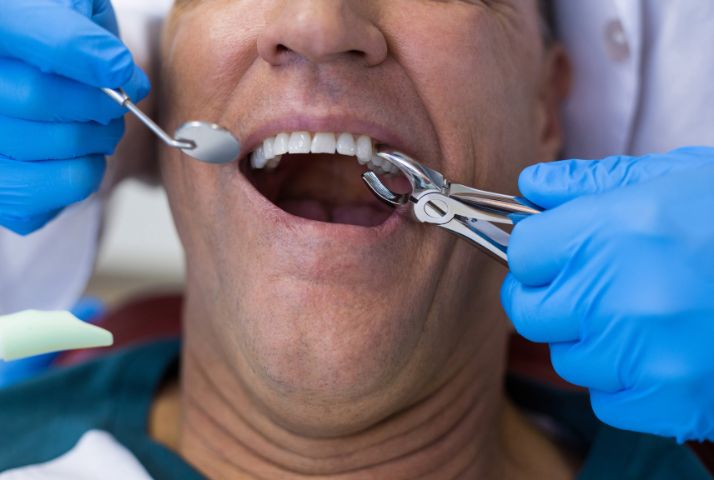


Tooth extraction is a routine dental procedure, but the idea of having a tooth removed can trigger fear and anxiety for many people. If you’re feeling nervous about your upcoming tooth extraction, you’re not alone.
Fortunately, there are effective ways to manage your emotions and ensure a comfortable experience. In this blog, we’ll explore the causes of dental anxiety, practical coping techniques, and tips for a smoother recovery.
About Dental Anxiety
Dental anxiety is a common issue that affects people of all ages. It stems from various factors such as:
- Fear of pain: Worrying about discomfort during the procedure.
- Loss of control: Feeling vulnerable while sitting in the dental chair.
- Previous negative experiences: A history of painful dental visits.
- Needles and tools: A fear of needles or the sight of dental instruments.
Recognizing the source of your anxiety is the first step toward addressing it effectively.
Why Managing It Is Important?
Failing to manage fear and anxiety can lead to:
- Skipping necessary dental procedures.
- Worsening oral health conditions.
- Increased stress levels, which can affect overall well-being.
Proactively managing your anxiety ensures you can proceed with tooth extraction without unnecessary stress or complications.
Tips to Manage Fear and Anxiety Around Tooth Extraction
1. Communicate With Dentist
- Share your fears with dentist beforehand.
- Ask questions to understand the procedure and what to expect.
- Discuss pain management options, including anesthesia or sedation.
Dentists are trained to address patients’ concerns and can tailor their approach to make you feel more comfortable.
2. Practice Relaxation Techniques
- Deep breathing: Inhale deeply through your nose for 4 counts, hold for 4 counts, and exhale through your mouth for 4 counts. Repeat several times.
- Meditation: Use guided meditation apps to calm your mind before your appointment.
- Progressive muscle relaxation: Focus on tensing and relaxing each muscle group in your body to reduce physical tension.
These techniques help lower stress hormones and promote relaxation.
3. Consider Sedation Dentistry
If your anxiety is severe, talk to our dentist about sedation options. Common methods include:
- Nitrous oxide (laughing gas): Helps you relax during the procedure.
- Oral sedatives: Taken before the appointment to ease anxiety.
- IV sedation: For a deeper state of relaxation, often used for complex extractions.
Sedation dentistry ensures a pain-free and stress-free experience.
4. Bring a Support System
Having a trusted friend or family member accompany you can provide emotional support. They can:
- Help distract you while waiting.
- Offer reassurance before and after the procedure.
- Drive you home safely if sedation is involved.
5. Distractions Work Wonders
- Bring headphones and listen to soothing music or a favorite podcast.
- Watch something engaging on your phone or the dental office’s TV (if available).
- Practice visualization techniques, imagining yourself in a peaceful place.
Keeping your mind occupied can reduce anxiety during the procedure.
What To Do Before Your Appointment?
- Follow Pre-Procedure Instructions: A dentist may advise you to avoid eating or drinking for a certain period before the extraction, especially if sedation will be used.
- Wear Comfortable Clothing: Opt for loose, comfortable attire to feel at ease in the dental chair.
- Plan Your Post-Procedure Care: Prepare soft foods, pain relievers, and ice packs in advance to ensure a smooth recovery.
- Sleep Well: A good night’s rest can help reduce stress levels and boost your resilience.
What To Expect on The Day of The Procedure?
- Arrival at the Clinic: Arrive early to settle in and complete any paperwork.
- Numbing the Area: The dentist will use local anesthesia to ensure you don’t feel pain during the extraction.
- The Extraction Process: While you may feel pressure, the procedure is generally quick and pain-free.
- Aftercare Instructions: Our dentist will provide guidelines for managing discomfort and promoting healing.
Post-Procedure Recovery Tips
- Rest: Avoid strenuous activities for the first 24 hours.
- Manage Pain: Use prescribed pain relievers or over-the-counter medications as directed.
- Apply Ice Packs: Avoid brushing near the extraction site to the affected area for 15 minutes at a time.
- Stick to Soft Foods: Opt for soups, mashed potatoes, yogurt, and smoothies for the first few days.
- Practice Gentle Oral Hygiene: Avoid brushing near the extraction site, but rinse gently with salt water as recommended.
Overcoming Long-Term Anxiety
If dental anxiety persists, consider the following:
- Therapy: Cognitive-behavioral therapy (CBT) can help address irrational fears.
- Regular Dental Visits: Familiarity with a dentist and routine check-ups can make future visits less intimidating.
- Positive Reinforcement: Reward yourself after dental procedures to associate them with positive outcomes.
Fear and anxiety around tooth extraction are natural but manageable. By preparing mentally, communicating openly with a dentist, and practicing relaxation techniques, you can make the experience more comfortable and less daunting.
Remember, tooth extraction is a step toward better oral health and a pain-free smile. If you’re ready to take the next step, visit our dentist for a consultation and personalized guidance.