

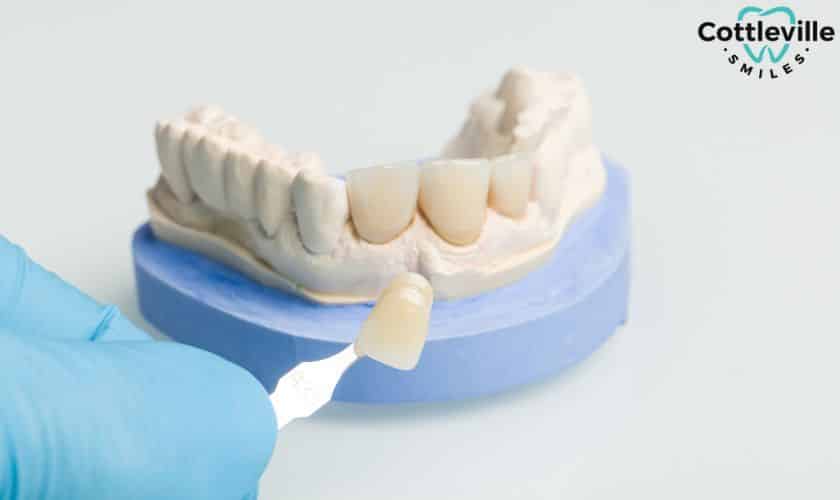
Welcome to our blog post, where we will discuss all things dentures! Whether you are a long-time denture wearer or considering getting them for the first time, it’s important to understand how they work and how to care for them. This article will cover five essential things that everyone with dentures should know. So sit back, relax, and let’s dive into the world of dentures together!
Types of Dentures
Regarding dentures, several types are available to meet different needs. The most common types include full dentures and partial dentures.
Full or complete dentures are used when all-natural teeth in the upper or lower jaw are missing. These dentures consist of a flesh-colored acrylic base that fits over your gums and artificial teeth that replace your natural ones.
On the other hand, partial dentures are used when you have some remaining natural teeth. They fill in the gaps created by missing teeth and help improve functionality and aesthetics. Partial dentures typically have a metal framework with prosthetic teeth attached to them.
Another type is implant-supported dentures, which provide extra stability by attaching them securely to dental implants surgically placed into your jawbone. This option is ideal if you want more security and confidence while wearing your denture.
Remember, each person’s needs differ, so what may work for someone else might not suit you. By understanding the various options available, you can decide which type of denture will suit you best!
How Dentures Work
Dentures are a common solution for individuals who have lost their natural teeth. But how exactly do dentures work? Let’s take a closer look.
Dentures consist of artificial teeth attached to a base, typically acrylic material. This base rests on the gums and provides support for the replacement teeth. Dentures can be full or partial, depending on whether they replace all or only some missing teeth.
The process starts with taking impressions of your mouth to ensure a proper fit. Once the dentures are ready, they are custom-made to match your mouth’s shape and size. The dentist will then make any necessary adjustments to ensure comfort and functionality.
When you wear dentures, they help restore your ability to chew food properly and speak clearly. They also support facial muscles, preventing sagging and giving you a youthful appearance.
You may need an adhesive cream or powder to keep your dentures in place. It’s important to follow your dentist’s instructions regarding cleaning and care for your specific type of denture.
It’s worth noting that getting used to wearing dentures may take some time. You might initially experience slight discomfort or difficulty speaking, but these issues often resolve as you become accustomed to them.
Dentures work by replacing missing teeth with artificial ones attached to an acrylic base that rests on the gums. They restore chewing function, improve speech clarity, and support facial muscles. With proper care and adjustment period, wearing dentures can greatly enhance one’s quality of life.
How to Remove Dentures
Removing your dentures is an important part of maintaining good oral hygiene and ensuring the health of your mouth. Here are some simple steps to follow when removing your dentures:
1. Start by rinsing your mouth with warm water: This helps loosen debris or food particles between the denture and your gums.
2. Use a gentle rocking motion: To remove upper dentures, place your thumb against the front teeth and press upward while using your index finger to rock the denture back and forth until it loosens gently. Use both hands to grasp the sides of the denture for lower dentures and gently pull it downward.
3. Be careful not to force them out: Dentures should never be forcefully removed, which can cause damage or discomfort.
4. Cleanse and store properly: After removal, rinse any adhesive residue from your gums and dentures under running water. Place them in a clean container with a soaking solution specifically designed for dentures.
5. Take extra care if you have partials: If you have partial dentures that clasp onto natural teeth, release them before attempting to remove the appliance entirely.
Remember, proper removal techniques help prolong the lifespan of your dentures while preventing any potential damage or irritation to surrounding tissues!
How to Clean Dentures
Properly cleaning your dentures is crucial for maintaining their appearance and oral hygiene. Here are some simple steps to help you keep your dentures clean and fresh.
First, remove your dentures and rinse them under running water to remove any loose food particles. Don’t drop or handle them too roughly, as they can break easily.
Next, use a soft-bristle toothbrush or denture brush to scrub the surface of your dentures gently. Avoid using regular toothpaste, which can be abrasive and damage the material. Instead, opt for a mild soap or specialized denture cleaner recommended by your dentist.
Pay special attention to cleaning all areas of the denture thoroughly, including the gum side and any clasps or metal attachments. You may also want to soak your dentures in a cleanser solution overnight to help eliminate stains and bacteria.
After cleaning, rinse your dentures under running water before placing them back into your mouth. It’s important not to sleep with dirty or dry dentures as this can cause discomfort and increase the risk of oral infections.
Remember that proper daily cleaning is essential for prolonging the lifespan of your dentures and maintaining optimal oral health. If you have concerns about caring for your specific type of denture, consult your dentist, who can provide personalized advice based on your needs.
When to Replace Dentures
Over time, dentures can become worn down or damaged due to regular use. It’s important to know when to replace your dentures to maintain good oral health and ensure proper functionality.
One of the key indicators that you may need new dentures is if they no longer fit properly. If you notice that your dentures are becoming loose or causing discomfort, this could be a sign that they have worn down and no longer provide the support needed for chewing and speaking.
Another factor to consider is the appearance of your dentures. It may be time for a replacement if you notice significant staining or discoloration that cannot be removed through cleaning. Additionally, cracks or chips in your dentures should be replaced, as these issues can lead to further damage or irritation in the mouth.
It’s also worth noting any changes in how well your dentures function. It may be time for an upgrade if you find it increasingly difficult to chew certain foods or speak clearly with your current dentures.
It is recommended by dental professionals that you replace your dentures every 5-7 years, even if there are no visible signs of wear and tear. This ensures optimal fit and function while also considering any natural changes in the shape of your mouth over time.
Remember, maintaining healthy oral hygiene habits such as regular brushing and visits to the dentist will help extend the lifespan of your denture appliances. By being aware of these signs indicating the need for replacement, you can stay ahead on maintaining a confident smile and overall oral health!
This article has discussed five important things you should know if you have dentures. We explored the different types of dentures available and how they work to restore your smile and improve your oral health.
We also learned the proper way to remove and clean dentures, highlighting the importance of maintaining good oral hygiene even with dentures. And finally, we touched on when it might be time to consider replacing your dentures.
If you are considering getting dentures or have concerns about your existing ones, don’t hesitate to contact a trusted cosmetic dentist. They can provide personalized care and address all your questions and needs.
Remember, taking care of your oral health is an ongoing commitment regardless of whether you have natural teeth or wear dentures. By staying informed and following proper maintenance practices, you can enjoy a confident smile that lasts for years!